
Chancellor’s Innovation Fund
Providing NC State researchers with critical funding to support short-term, commercially-focused research projects involving NC State intellectual property.
Supporting NC State Research Commercialization
Established in 2010 by Chancellor Randy Woodson, NC State’s Chancellor’s Innovation Fund (CIF) issues awards of up to $96,500 each year to NC State’s most exciting research projects.

2ndF Research Commercialization Fund
Schedule for CIF 2026 Award Cycle
- RFP Released: February 6th, 2026
- Proposal Submission Deadline: 12 PM (noon), March 2nd, 2026
- Roundtable Pitch Event: April 2nd, 2026
- CIF Labs: May 14th to September 10th, 2026 (10 total sessions)
- CIF Finalist Pitch Day: September 2026
- Award Period Begins: November 1st, 2026
- Award Period Ends: October 31st, 2027
Information Sessions
It is encouraged that prospective applicants attend one of several upcoming info sessions that will outline the program, recent changes, and guidance on how to submit a competitive proposal.
Each meeting will be hybrid, with an in-person option being hosted in Room 205 of the Poulton Innovation Center (1021 Main Campus Drive), and Zoom access also being provided. Recordings will also be made available post-meeting.
Upcoming info sessions
CIF Eligibility
- CIF funding is open to any NC State faculty, PhD students, or postdocs pursuing commercialization of NC State-owned intellectual property.
- Note that applicants must have an NC State Principal Investigator (PI)-eligible researcher associated with the project who can accept and manage the award funds on behalf of the team.
- The proposal must involve NC State-owned intellectual property and an invention disclosure for the technology must be on file with the Office of Research Commercialization (ORC) by the pre-proposal submission deadline.
- Please submit an invention disclosure to the ORC for the technology related to the proposal if you have not already done so. It is recommended that you complete this as far in advance of the proposal submission deadline as possible to streamline review of the disclosure.
- The underlying technology is ineligible if it is already licensed, under option or otherwise encumbered in the same field of use as the proposed project.
- Note: any intellectual property licensed to an NC State startup company through an active license or option agreement is considered encumbered and would not be eligible for CIF funding.
Use of Funds
Chancellor’s Innovation Fund awardees receive funding during a twelve-month period from two sources:
Chancellor’s Innovation Fund Award
- Funding awarded: $50,000 per project
- Purpose: to support research expenses related to a CIF project
- Typical expenses: PI or senior personnel salary support, tuition expenses for student researchers, lab use fees, some equipment, materials and supplies
2ndF Research Commercialization Award
- Funding awarded: $46,500 per project
- Purpose: to support non-research expenses related to a CIF project to accelerate technology commercialization
- Typical expenses: Customer discovery travel, startup incorporation expenses, startup or pitch events, founder’s education, stipends for an embedded entrepreneur, regulatory consulting, etc.
CIF Application Process
The CIF application process consists of the following phases:
Proposal
Proposals should be generated using the CIF proposal template and should be no more than two pages in length, not including a title page and summary budget. Proposals should utilize a font of 10 points or larger.
Please submit an invention disclosure to the ORC for the technology related to the proposal prior to the proposal submission deadline if you have not already done so.
The two-page proposal should outline:
- The market problem being addressed
- A non-technical description of the team’s solution
- The core project team members and their capacity to move the project forward
- Previous customer discovery work and insights from those interviews
- Commercial intent and development pathway based on current knowledge, and identification of next steps
Applicants should consider the following:
- What is the market problem that your technology will address?
- What are the consequences of the problem (time, money, wasted resources, etc.)? Quantify where possible.
- How is the problem currently being addressed, and why is this inadequate?
- How does your solution address the outlined problem? Does it completely eliminate it, or does it only mitigate, and if so, to what degree? How will it be integrated into existing processes?
- What do you expect your solution is worth to those who are experiencing the problem?
- Have you engaged with any commercial partners? What feedback have you gotten from industry?
- What specific research milestones are you seeking to reach that are of interest to potential commercialization partners?
- How were the milestones determined? Were they requested by potential partners? Are they general industry standards?
Budget:
CIF proposals must include a high-level summary budget for use of the $96,500 award funds (this does not count towards the two-page proposal limit). Please note that indirect/F&A costs are not allowed since the funds are awarded under a ledger 7 account.
Proposals should be sent electronically to CIFprogram1@ncsu.edu prior to the proposal submission deadline.
Note: applicants will not be required to submit a PINS record at the application submission stage. Any team moving forward from the Quick Pitch Roundtable into the CIF Labs portion of the process will be required to submit a new PINS record to their department for approval.
Innovators with proposals that mee the eligibility criteria will be invited to submit a quick project pitch during the quick pitch roundtable event.
Quick Pitch Roundtable
The CIF Quick Pitch Roundtable will be an event in which eligible applicants are invited to pitch their project to a group of diverse reviewers. Each team will have multiple opportunities during the event to provide a short pitch outlining the proposed CIF project and how funding will enhance the commercialization potential of the technology.
These pitches will be give to three distinct groups of reviewers:
- Investor/Commercial Lens: ORC and 2ndF staff
- Executive Leader Lens: A group of experienced, deep tech startup CEOs recruited by 2ndF
- Research/Commercialization Lens: a group of experienced, successful technical academic startup founders recruited by 2ndF
Final selections for applicant teams to move forward into CIF Labs will be made thematically based on alignment across the three evaluator groups.
Teams selected to advance will move forward into the CIF Labs programming held during the summer semester.
Innovators who are not selected to move on to CIF Labs will receive a written summary of reviewer comments.
CIF Labs
Select semi-finalists will work with ORC and 2ndF over 10 sessions during the summer semester (mid-May to mid-September) to:
- Identify and clearly articulate problem they are tackling and validate customer demand through extensive customer/market discovery
- Recruit a CEO / commercial lead to complement the researcher
Weekly Requirement: Each team must dedicate at least one structured engagement per week (workshop, mentor session, or customer interviews) and provide updates to the ORC and 2ndF team.
Accountability: ORC and 2ndF reserve the right to remove teams from Labs if they fail to meet weekly engagement expectations or show insufficient commercialization intent.
Innovator’s Pitch Presentation
Finalists completing the CIF Labs programming will be invited to make an Innovator’s Pitch presentation to the CIF Selection Committee during the Fall semester.
The Innovator’s Pitch is a commercialization-oriented presentation that outlines how the proposed project will accelerate the commercialization of the underlying technology, with a brief period for questions and answers. This is not an academic presentation of the science behind the technology. The pitch should briefly describe the technology and focus on the commercial opportunity that it represents and how the CIF funding will facilitate commercialization. Innovators work with the ORC team to prepare for the pitch.
The CIF Selection Committee consists of reviewers from external partners and NC State personnel with technology development, commercialization and entrepreneurial expertise. The CIF Selection Committee will make award recommendations to the Chancellor’s Office.
Finalist Innovators who are not selected for a CIF award will be provided with detailed written feedback from the CIF Selection Committee along with any recommended resources to support their project.
Award Period
Awardee Goals:
- Advance technology to a licensable or investable stage.
- Secure commercial leadership and validated customer/partner traction.
- Define a business model and clear path to capital or licensing.
Three to six awards are expected to be funded during the award cycle.
Selected awardees will receive a total of $96,500 per project, released in milestone-based tranches.
- $46,500 (2ndF: Commercialization): To fund activities that support customer traction, market entry strategy, business model development, and leadership recruitment.
- $50,000 (NC State: R&D / Technical): To fund research activities (salary, student workers, lab use fees, materials/supplies) that support development of prototypes, validation studies, etc.
Award recipients will be required to meet regularly with the ORC and 2ndF teams to review progress and prepare for industry engagement. A final report must be submitted within thirty (30) days of the award period to the CIF program manager.
CIF funding is awarded for a twelve-month period, and all funds should be expended during this one year period.
Award recipients may submit a written request for a one-time, no-cost extension of the $50,000 CIF research funding no later than month 10 of the 12-month award period. Note that no no-cost extensions are allowed for the $46,500 2ndF funding.
CIF Impact
87 projects
funded since 2010
$5.9 million
in funds awarded
$6.7 million
in licensing revenue generated
$177.3 million
in follow-on funding generated
42 startups
launched post-CIF funding

Meet This Year’s Awardees
PAST CHANCELLOR’S INNOVATION FUND AWARDEES

FY 2025: Catalyzing Creative Concepts to Solve Commercial Challenges
Learn more about the 2025 projects
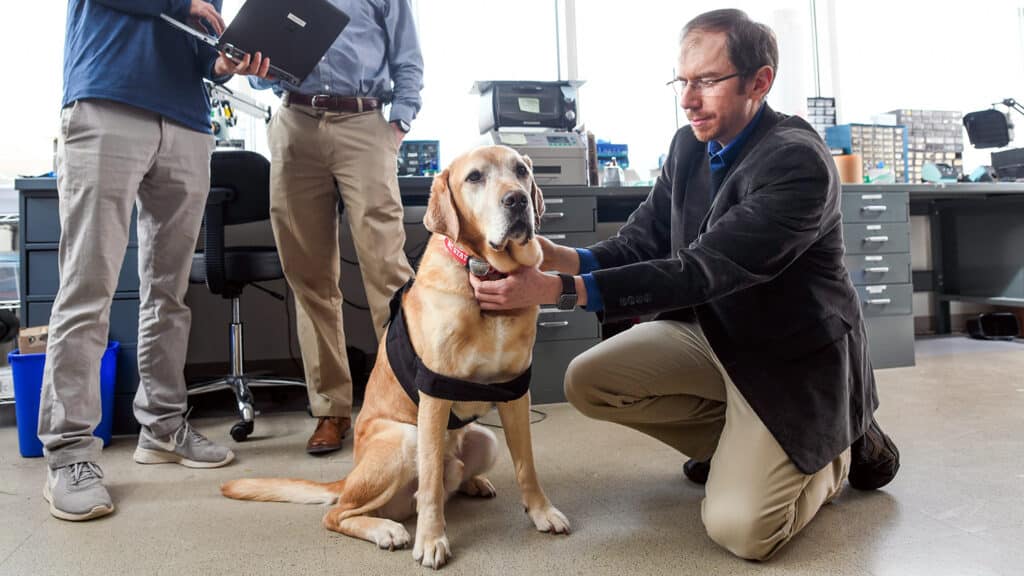
FY 2024: From Ideas to Solutions
Learn more about the 2024 projects

FY 2023: Chancellor’s Innovation Fund Awards Support to Six Promising Projects
Learn more about the 2023 projects

FY 2022: Chancellor’s Innovation Fund Catalyzes 6 Promising Projects
Learn more about the 2022 projects
FY 2021: Guiding Ideas from the Research Lab to the Business World
Learn more about the 2021 projects
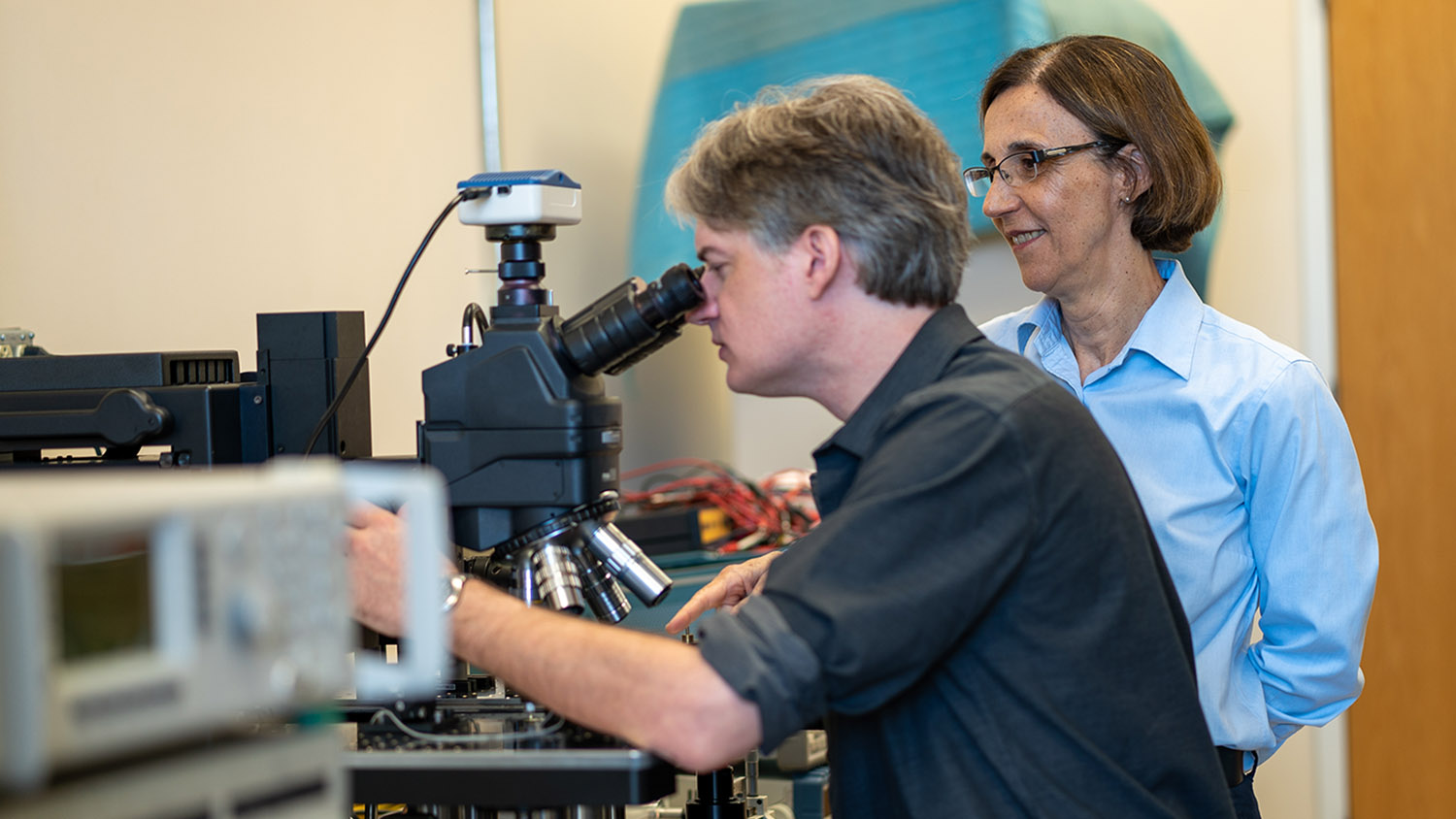
FY 2020: Turning Research Into Real-World Solutions
Learn more about the 2020 projects
FY 2019: Out of the Lab and Into the World
Learn more about the 2019 projects

FY 2018: Investing in Ideas
Learn more about the 2018 projects
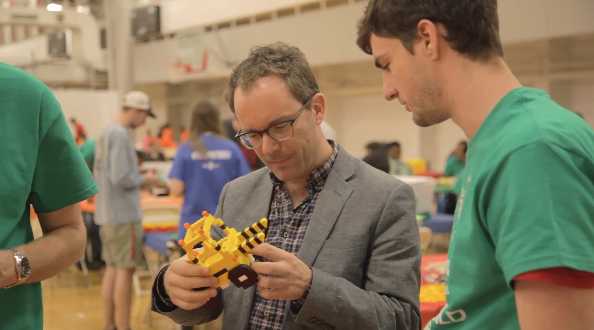
FY 2017: Nearer Horizons
Learn more about the 2017 projects
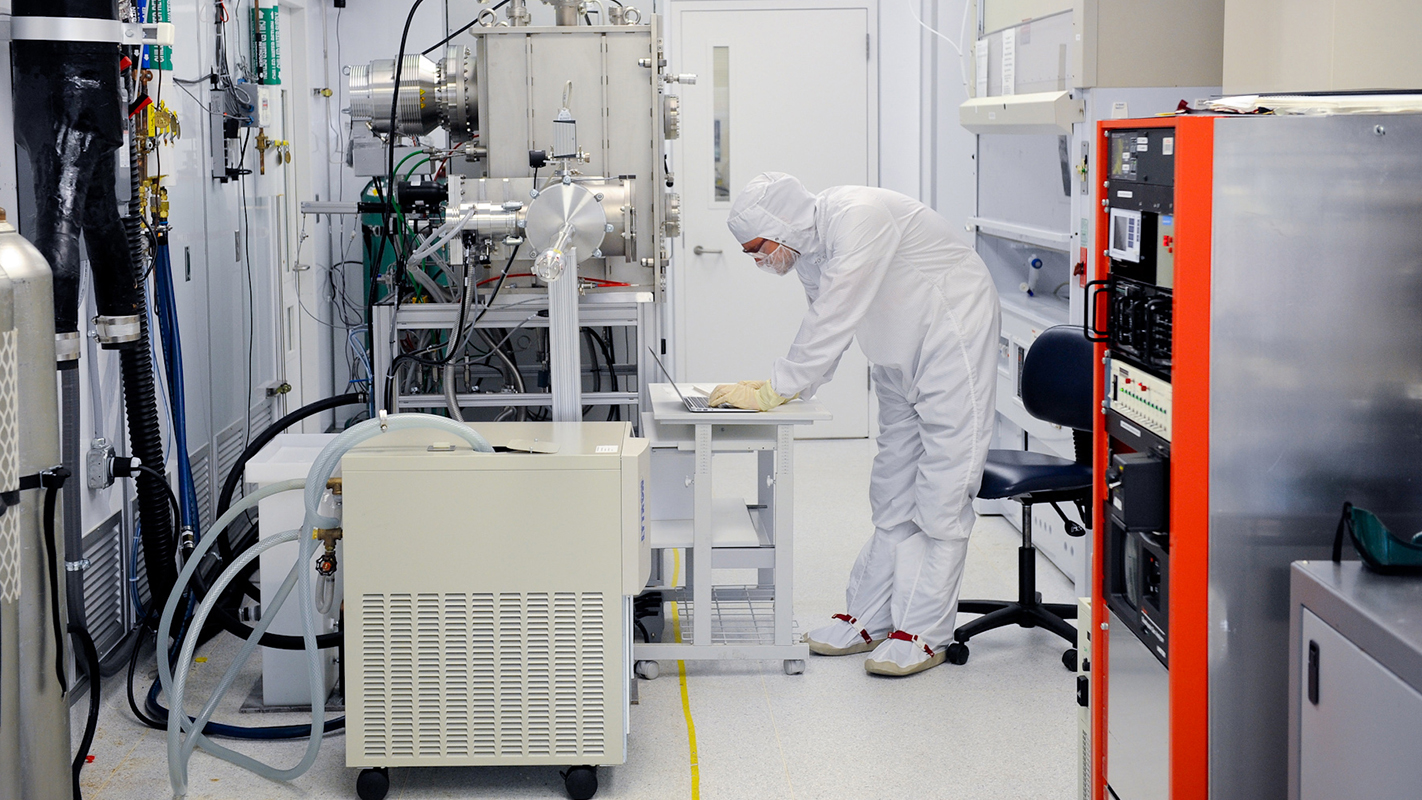
FY 2016: Guiding Ideas from the Research Lab to the Business World
Learn more about the 2016 projects

FY 2015: Bringing Ideas to Market
Learn more about the 2015 projects